
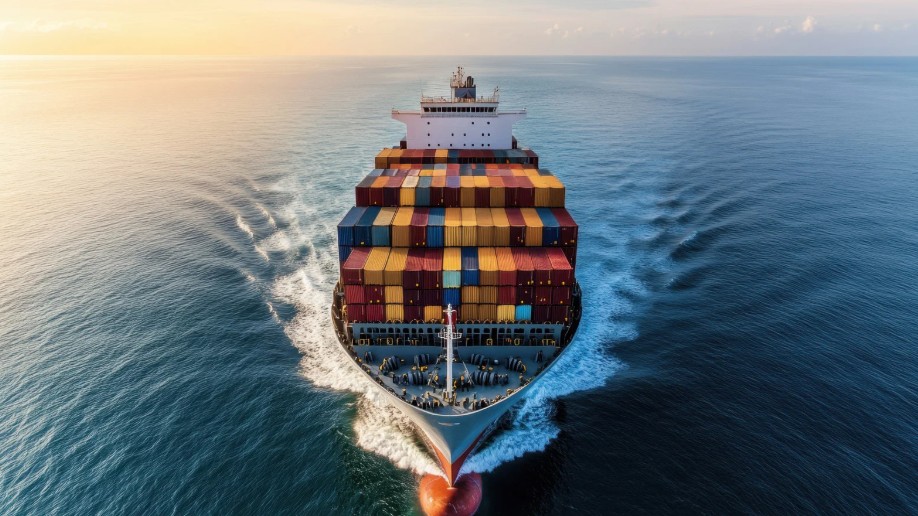
In an era where global business moves faster than ever, trade compliance has become more than a legal requirement, it’s a strategic necessity. For companies operating across borders, ensuring compliance with international trade laws is vital to maintaining reputation, avoiding penalties, and safeguarding supply chains.
Whether a business is exporting goods from the UAE or importing essential materials, every transaction must align with complex regulations that vary from one jurisdiction to another.
Navigating these international frameworks can be challenging, but with the right knowledge and structured approach, compliance can actually strengthen a company’s credibility and competitiveness in global markets.
Why Is Trade Compliance So Important in Today’s Global Economy?
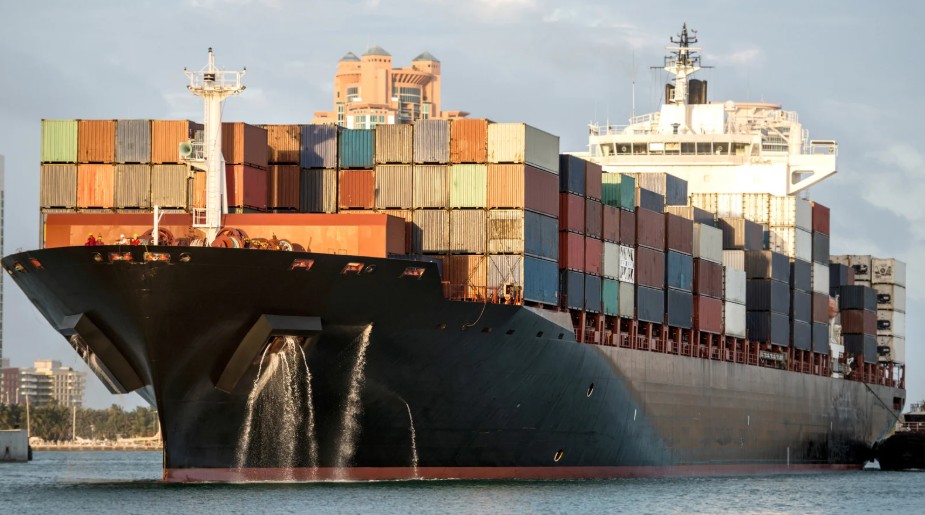
Trade compliance forms the foundation of international commerce. It ensures that goods are traded ethically, safely, and within the framework of global agreements. In the UAE, a major logistics and trade hub connecting Asia, Africa, and Europe, compliance isn’t optional, it’s a defining part of business integrity.
Failing to comply with international trade laws can lead to serious repercussions, including financial penalties, supply chain disruptions, and reputational damage. Moreover, governments around the world are tightening enforcement, with increased scrutiny on export control, sanctions, and customs procedures.
Companies that treat compliance as an ongoing strategic process, rather than a one-time checklist, are more likely to sustain long-term growth and trust among partners and regulators alike.
What Are the Key Areas of International Trade Compliance?
International trade compliance spans several critical areas that companies must manage simultaneously.
These include:
- Export Control and Licensing: Businesses must verify that exported goods are not restricted or prohibited by international or national regulations.
- Customs Documentation: Proper classification and valuation of goods help ensure customs authorities process shipments smoothly.
- Sanctions and Embargoes: Companies must be aware of countries, individuals, or organisations under trade restrictions.
- Anti-Bribery and Corruption Rules: Transparency in transactions is essential to maintain ethical standards.
In the UAE, adherence to global and local trade laws, including those enforced by the Ministry of Economy and Federal Customs Authority, ensures smooth cross-border operations and alignment with global standards.
How Can Businesses Build a Strong Compliance Framework?

Building a compliance framework starts with commitment from leadership. Every business should treat compliance as part of its corporate culture. The process begins by conducting a full risk assessment, identifying areas where violations could occur, such as misdeclared goods, incomplete documentation, or dealing with sanctioned entities.
Next, businesses should invest in training programmes for employees, particularly those managing logistics, procurement, and finance. Regular updates ensure teams stay aware of evolving regulations. Digital solutions such as trade management software can also play a key role by automating documentation, tracking shipments, and flagging potential risks early.
Finally, companies should establish internal audit systems. These not only identify gaps but also demonstrate accountability if authorities request compliance records. In a country like the UAE, where cross-border trade forms the backbone of many industries, this level of preparedness can be the difference between opportunity and obstruction.
What Role Does Technology Play in Trade Compliance?
Technology has revolutionised how businesses approach compliance. Automation, data analytics, and blockchain are now essential tools for managing global trade operations efficiently. Advanced systems can flag inconsistencies, monitor trade partners, and maintain secure digital records for inspections or audits.
For instance, AI-driven software can instantly check whether a transaction involves restricted goods or sanctioned parties. Meanwhile, blockchain technology provides transparency by recording every transaction in an immutable ledger, a critical advantage in tracing supply chains.
In the UAE, with its strong digital infrastructure, many companies are integrating compliance software that connects with customs systems, making the trade process faster and more transparent.
How Can Businesses Stay Updated on Evolving Regulations?

Trade regulations are constantly changing due to political shifts, new trade agreements, and economic sanctions. For businesses to remain compliant, staying updated is key.
This can be achieved by subscribing to regulatory updates, attending trade compliance workshops, or partnering with local consultants who specialise in UAE and international law.
Moreover, leveraging trusted business resources such as UAE Business Blog can help entrepreneurs and established firms stay informed about emerging trends, new regulations, and compliance strategies tailored to the Middle Eastern market. Being proactive not only helps avoid violations but also positions businesses as responsible, globally aware operators.
What Are the Benefits of Proactive Trade Compliance?
Proactive compliance brings more than just legal protection. It enhances a company’s global reputation and opens doors to new markets. International partners and investors prefer working with businesses that maintain clean compliance records, as it signals reliability and integrity.
Additionally, efficient compliance practices reduce delays in customs clearance, prevent unexpected fines, and strengthen risk management. In essence, compliance becomes a driver of operational excellence, a factor that can directly impact profitability and brand trust.
Conclusion
Ensuring compliance with international trade laws may seem complex, but it’s an achievable goal with structured planning, consistent training, and smart technology. For UAE-based businesses, it’s also a powerful way to establish credibility in one of the world’s most dynamic trading environments. By treating compliance not as a burden but as an opportunity to build transparency and trust, companies can thrive across global markets.
Author Profile

Latest entries
 BusinessOctober 31, 2025How Can You Ensure Compliance with International Trade Laws?
 LifestyleOctober 23, 2025Is Your Coffee Order Revealing More About You Than You Think?
 LifestyleOctober 23, 2025How Do Regulatory Changes Affect the Gaming Landscape?
 LifestyleOctober 23, 2025What Signs Should You Never Ignore If You Live in Dubai?